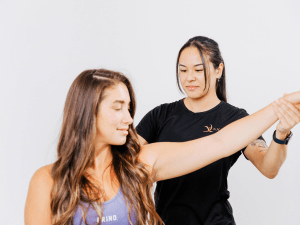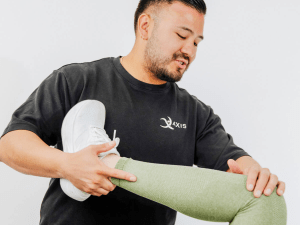

Lower back pain in Markham is one of the most common and most mismanaged conditions in physical therapy. Foam rolling, YouTube stretches, and standing desks manage the symptoms without touching the cause. Choosing the right physio for back pain in Markham at Axis begins with a thorough assessment to identify whether hip stiffness, weak glutes, disc-related issues, or poor movement habits are driving the problem. Our back pain clinic in Markham delivers evidence-based plans to fix the root cause, not just the symptoms.
The Myth of the Bad Back
One of the most counterproductive ideas in rehabilitation is that some people are simply born with a structurally weak or damaged spine. This narrative drives fear of movement, dependence on passive treatments, and a cycle of pain that never resolves. The NIH low back pain fact sheet confirms that most lower back pain is mechanical in origin and highly responsive to active rehabilitation.
The spine is a load-bearing structure designed for force, movement, and stress. When lower back pain appears, it is almost always because the surrounding support system, including hip mobility, glute strength, core stability, and thoracic flexibility, has broken down and the spine is compensating. Those are all correctable things.
Lower back pain physiotherapy in Markham works because it addresses those correctable factors directly, rather than managing the pain that results from them.
What Is Actually Causing Your Lower Back Pain
- Hip Stiffness: Limited hip mobility forces the lumbar spine to compensate during everyday movements such as walking, bending, and squatting. In people who sit for most of the day, this is almost universally present.
- Weak Glutes and Deep Core: When the muscles meant to share load during movement are not activating properly, the lower back picks up that deficit. Retraining these muscles is central to lasting relief.
- Training Habits: Lifting with poor mechanics, running without adequate core strength, or adding load before the body is ready are common contributors for gym-goers and athletes. The solution is to train better, not to stop training.
- Disc-Related Issues: Disc bulges and herniations can generate significant pain, sometimes with radiating leg symptoms. The Physiopedia low back pain reference confirms that most disc-related presentations improve substantially with conservative physiotherapy. Surgery is rarely required as a first response.
- Nervous System Sensitization: Chronic stress and persistent pain alter how the nervous system processes signals. This is a legitimate and well-researched contributor to lower back pain, and it is addressed as part of a comprehensive physiotherapy approach.
- Unresolved Previous Injuries: A back tweak from two years ago that was rested and ignored may have left compensations still driving your current pain. A thorough assessment identifies these residual patterns.
How Lower Back Pain Physiotherapy Works at Axis
- Thorough Assessment: Movement screening, hip and thoracic mobility testing, core stability evaluation, and a review of your daily habits, work setup, and training. The goal is understanding why your back hurts, not just confirming that it does.
- Manual Therapy: Joint mobilizations for stiff lumbar and thoracic segments, soft tissue release for overactive muscles, and acupuncture and dry needling for deep trigger points. These techniques reduce pain and restore mobility so active rehabilitation can progress.
- Targeted Exercise Prescription: Based on your assessment findings, not a generic back program. Glute activation, deep core stability, hip mobility, and lumbar motor control exercises are built and progressed systematically.
- Pain Education: Understanding what is driving your pain, and why it is safe to move, is one of the most powerful tools in recovery. Education reduces fear-avoidance behaviors, which are a significant predictor of chronic pain. This is built into every treatment plan.
- Long-Term Self-Management:The goal at Axis is not managing your pain indefinitely. It is building enough capacity, awareness, and knowledge that you can maintain your own results and prevent recurrence.
When to Stop Waiting
Many people in Markham are managing lower back pain they have come to accept as a permanent feature of their life. They have modified activities, stopped certain exercises, and quietly adjusted their expectations. The evidence base for physiotherapy in back pain is well-documented on the Physiotherapy Evidence Database (PEDro), and the evidence consistently points to early, active intervention as the most effective approach.
If lower back pain has persisted for more than two to three weeks, if it is limiting what you can do, or if it keeps returning after brief periods of improvement, a proper assessment is the right next step. The Ontario Physiotherapy Association confirms that Ontario residents can book physiotherapy directly without a doctor referral.
Axis Is Now Open in Markham
The Axis Markham clinic at 2880 Major Mackenzie Dr E, Unit 2, brings physiotherapy, chiropractic care, massage therapy, and sports massage therapy under one roof for Markham’s professional and active community. Patients can also access the same standard of care at our Downtown Toronto clinic, Riverdale clinic, and Scarborough clinic locations.
Your Back Can Feel Good Again. Here Is Where to Start
Lower back pain is extremely common, but it is not something you have to accept indefinitely. With a proper assessment, targeted manual therapy, and a structured exercise program designed around your specific drivers, most people improve meaningfully and return to the activities they have been avoiding.
Book your lower back pain physiotherapy assessment at Axis Markham at 2880 Major Mackenzie Dr E, Unit 2. A stronger back starts with the right plan.
Frequently Asked Questions
1. How do I know if my lower back pain needs physiotherapy or just rest?
If pain has persisted for more than two to three weeks, is worsening, or keeps returning after periods of rest, physiotherapy is warranted. Physiotherapy does not just treat active pain. It identifies the structural or movement-based cause so that recovery is lasting rather than cyclical.
2. Will lower back pain physiotherapy in Markham include hands-on treatment?
Yes. Manual therapy is a core component of every assessment and treatment plan at Axis. Joint mobilizations, soft tissue release, and dry needling are applied based on your specific presentation, not as a routine protocol.
3. Can physiotherapy help if I have a disc bulge or herniation?
In most cases, yes. Research consistently supports physiotherapy as a highly effective treatment for disc-related lower back pain, including cases with radiating leg symptoms. The majority of patients see meaningful improvement without surgical intervention.
4. Is it safe to exercise with lower back pain?
In most cases, yes, and it is one of the most important parts of recovery. Movement and progressive loading are foundational to how the spine heals and adapts. Your Axis physiotherapist will prescribe exercises appropriate for your current stage of recovery and progress them as your capacity improves.
5. Can lower back pain physiotherapy help with pain that radiates into the leg?
Yes. Radiating leg pain from the lower back, commonly related to disc herniation or nerve irritation, often responds well to physiotherapy. Manual therapy reduces joint and nerve irritation, and specific exercises address the contributing factors. If symptoms suggest something requiring further investigation, your physiotherapist will coordinate the appropriate referral.
Key Takeaways
- Lower back pain in Markham is typically driven by hip stiffness, weak glutes or deep core, disc-related issues, or training habits. All are correctable with structured physiotherapy.
- Lower back pain physiotherapy in Markham at Axis begins with a thorough movement and lifestyle assessment, not a generic exercise sheet.
- Treatment combines manual therapy, targeted exercise, pain education, and long-term self-management strategies.
- Most disc-related lower back pain improves with physiotherapy. Surgery is rarely required as a first response.
- No referral is needed to access lower back pain physiotherapy in Ontario. Book directly at Axis Markham.